
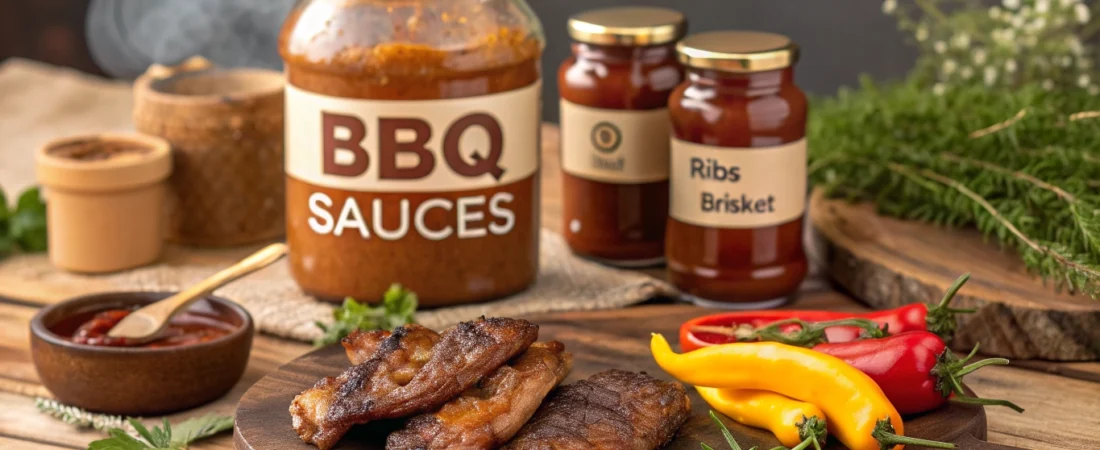
There is an old, fiercely debated saying in the smoking community: “Good barbecue doesn’t need sauce.”
While a perfectly executed brisket or a rack of ribs with a flawless bark can absolutely stand on its own, let’s be honest—the right sauce doesn’t mask the meat; it elevates it. Sauce adds a layer of acidity to cut through heavy fats, a kick of heat to wake up the palate, or a touch of sweetness to balance a savory rub.
Barbecue in America isn’t just one thing. It’s a tapestry of distinct traditions, and nothing maps out those regions quite like the sauce on the table. Today, we are breaking down the major regional styles across the country before taking a deep dive into the unexpected variety happening right here in Texas.
The Great American BBQ Sauce Roadmap
Every region uses local ingredients to complement its preferred meats. Here is a breakdown of the classic styles you’ll find across the United States.
| Regional Style | Main Ingredients | Best Used For | Flavor Profile |
|---|---|---|---|
| Kansas City | Tomato/Ketchup, Molasses, Brown Sugar, Apple Cider Vinegar | Pork Ribs, Burnt Ends, Chicken | Thick, sweet, smoky, and tangy |
| Eastern North Carolina | Apple Cider Vinegar, Red Pepper Flakes, Cayenne, Salt | Whole Hog Pulled Pork | Thin, watery, sharply acidic, and spicy |
| Western North Carolina (Lexington) | Vinegar base plus a touch of Ketchup/Tomato Paste | Pork Shoulder | Tangy with a hint of sweetness |
| South Carolina “Gold” | Yellow Mustard, Honey or Sugar, Vinegar, Worcestershire | Pulled Pork, Pork Chops | Sharp, tangy, and subtly sweet |
| Alabama White | Mayonnaise, Apple Cider Vinegar, Black Pepper, Horseradish | Smoked Chicken, Turkey | Creamy, tangy, and peppery |
The Many Faces of Texas BBQ Sauce
People outside the Lone Star State often think Texas is monolithic: beef brisket rubbed with nothing but salt and pepper, cooked over post oak, served with no sauce at all. While Central Texas purists lean heavily into that tradition, Texas is massive. Because of our size and diverse culinary influences, our sauce game is incredibly varied.
In fact, you can find at least four distinct styles of barbecue sauce bubbling away in kitchens across the state.
1. The Classic Texas Red Sauce
This is what most people picture when they think of a traditional Texas “mop” or dipping sauce. Unlike its thick, ultra-sweet cousin in Kansas City, classic Texas red sauce is much thinner and more savory.
- What it’s made of: It typically starts with a tomato paste or ketchup base, thinned out significantly with beef broth, Worcestershire sauce, vinegar, and lemon juice. It’s heavily seasoned with garlic, onion powder, and cumin.
- When it’s used: It is served warm on the side of beef brisket, beef ribs, and jalapeño cheddar sausage link baskets. The thin consistency coats the meat without overpowering the natural beef flavor.
2. Texas Mustard-Based Sauce
While South Carolina is the undisputed birthplace of mustard sauce, Texas pitmasters have put their own spin on it. Driven largely by the German and Czech heritage embedded in Central Texas meat markets, mustard has always been a staple on the cutting board.
- What it’s made of: Coarse yellow or spicy brown mustard blended with vinegar, a small amount of sweet element (like honey or brown sugar), and heavily spiked with coarse black pepper and chili powder.
- When it’s used: This is a match made in heaven for pork ribs and smoked sausages. The sharp, bright acidity of the mustard cuts right through the rich, unctuous fat of pork.
3. The Spicy Wild West Sauces
In West and South Texas, the flavor profiles shift toward the desert and the border. Heat isn’t an afterthought here; it’s the headline.
- What it’s made of: Pitmasters take a traditional thin tomato base and amp it up with fresh or smoked jalapeños, serranos, cayenne pepper, and occasionally a splash of hot sauce or chipotle peppers in adobo.
- When it’s used: Perfect for those who want a kick on their brisket tacos or pulled pork. It adds a vibrant fire that balances out heavy smoke.
4. The Emerging Sweet Style
Barbecue is constantly evolving. Over the last decade, competition barbecue circuits have heavily influenced commercial and restaurant styles. To win over judges, cooks started leaning into sweeter profiles, and backyard pitmasters took notice.
- What it’s made of: These sauces blend the savory, thin elements of Texas red sauce with sweeter ingredients like dark brown sugar, molasses, honey, or even local fruit reductions (like peach or prickly pear).
- When it’s used: This style has exploded in popularity for competition-style glazed pork ribs and chicken halves, giving the meat a beautiful, shiny lacquer coat that caramelizes beautifully under heat.
Fire Up the Pit
Whether you’re a purist who prefers a splash of sharp vinegar sauce on your pork, or you like to dunk your brisket in a rich, savory Texas red sauce, there’s no wrong way to enjoy great barbecue. Next time you fire up your smoker in the backyard, step outside your comfort zone and whip up a batch of a different regional style. You might just find a new favorite.
What style of sauce reigns supreme in your backyard? Let us know in the comments below!