
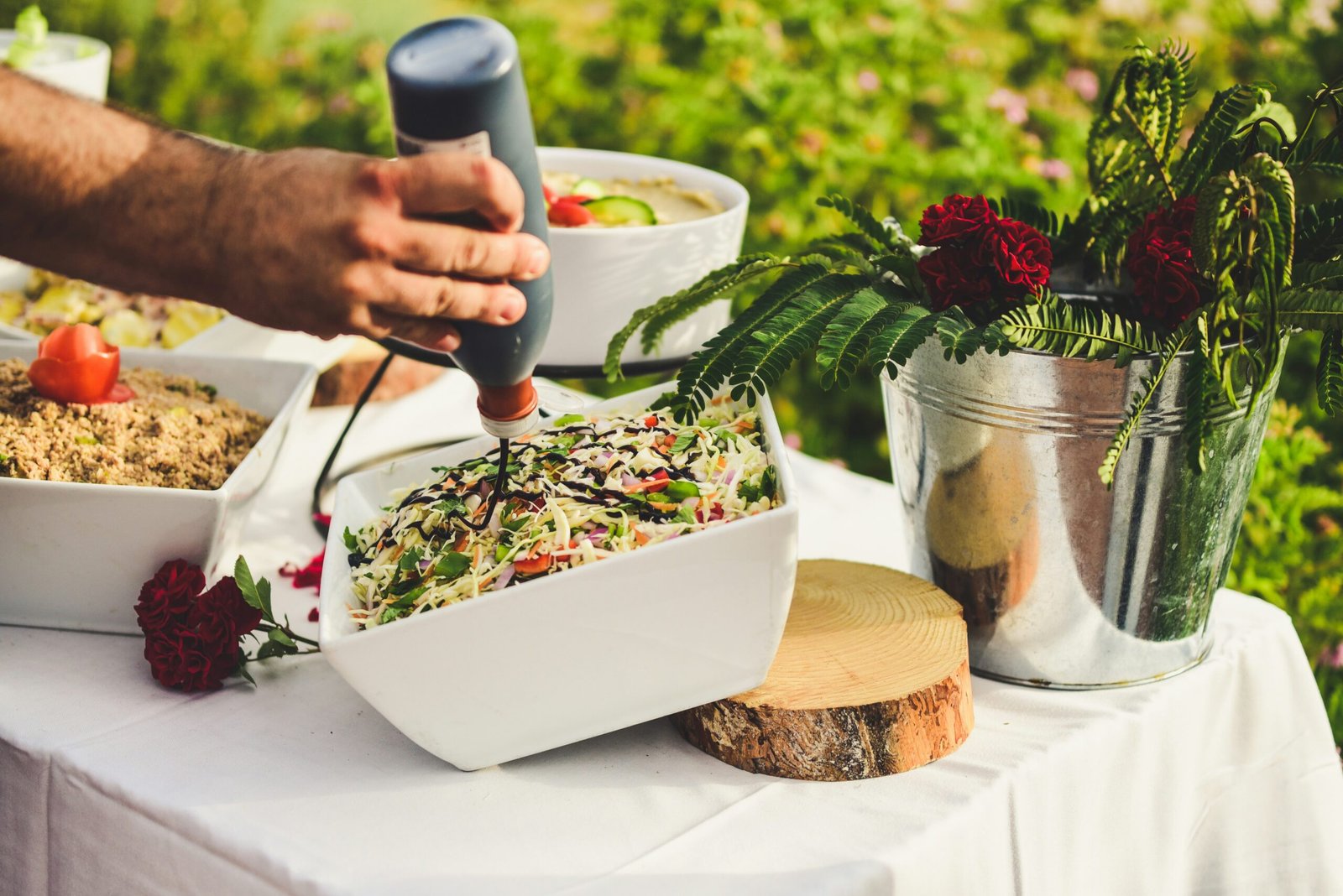
Introduction to Vinaigrette Dressings
Vinaigrette dressings are a fundamental element in salad preparation, serving as a versatile component that can elevate the flavor profile of various dishes. Defined simply, a vinaigrette is a mixture of oil and vinegar, traditionally in a 3:1 ratio, which can be complemented with an array of additional ingredients such as herbs, spices, and sweeteners. This dressing not only brings a delicious taste to salads but also enhances the overall eating experience by accentuating the freshness of vegetables.
The components of vinaigrette are straightforward yet allow for significant customization. The primary ingredients—oil and vinegar—can differ, with options such as olive oil, sesame oil, red wine vinegar, and balsamic vinegar providing a wide spectrum of flavors. Many recipes also incorporate emulsifiers, such as mustard or honey, to help stabilize the mixture, ensuring a delightful consistency that clings to salad greens without becoming overly oily.
Its popularity in salads stems from vinaigrette’s ability to harmonize with diverse ingredients. Whether combined with crunchy greens, roasted vegetables, or grains, vinaigrette dressings enhance the taste and visual appeal of a meal. Moreover, they can be adapted to suit various dietary preferences and occasions, making them a staple in many kitchens.
The versatility of vinaigrettes extends beyond salads; they can serve as marinades for proteins or flavorful toppings for grains and cooked vegetables. The spirit of experimentation is encouraged with vinaigrettes, inviting enthusiasts to explore various flavor combinations tailored to their palate. From fruity and tangy to savory and aromatic, the possibilities are as limitless as one’s creativity, making vinaigrette dressings a cherished part of culinary traditions across cultures.
Basic Ingredients for a Vinaigrette
A vinaigrette is a simple yet versatile dressing, primarily composed of two essential ingredients: oil and vinegar. The traditional ratio for a basic vinaigrette is 3 parts oil to 1 part vinegar, known as the 3:1 ratio. This foundational structure caters to a wide variety of palates while allowing for customization depending on personal preferences and culinary creativity.
When selecting oil for your vinaigrette, opt for high-quality choices that complement the dish you are preparing. Common oils include extra virgin olive oil, canola oil, and avocado oil, each imparting unique flavors. Extra virgin olive oil is renowned for its rich and robust taste, while canola oil brings a milder flavor to the mix. Avocado oil, on the other hand, provides a smooth, buttery essence, making it an excellent choice for a lighter dressing.
Vinegar also plays a pivotal role in the flavor profile of a vinaigrette. Options like balsamic vinegar, red wine vinegar, white wine vinegar, and apple cider vinegar are frequently used. Balsamic vinegar contributes a sweet touch, ideal for salads featuring fruit or nuts, while red wine vinegar adds a sharper depth suitable for robust salads. White wine and apple cider vinegars are more subtle and can be a safe choice for various preparations.
In addition to these foundational ingredients, various flavor enhancers can elevate your vinaigrette. Fresh or dried herbs, such as basil, oregano, or thyme, can be incorporated to personalize the dressing. Spices like black pepper, garlic powder, or even mustard can add zest and complexity. For those who prefer a hint of sweetness, a teaspoon of honey or maple syrup can create balance, making the vinaigrette more pleasing to the palate. By experimenting with these basic ingredients, one can craft an array of vinaigrettes that complement any meal.
Step-by-Step Guide to Making a Classic Vinaigrette
Creating a classic vinaigrette is a simple process that can elevate your salads and dishes. To begin, gather the essential tools and ingredients that will aid in crafting the perfect vinaigrette. Generally, you will need a mixing bowl, a whisk or a fork, and a measuring cup. It is also advisable to have a small airtight jar for storage if you intend to make a larger batch.
Start with the basic ratio of three parts oil to one part acid. For the oil, you can use extra virgin olive oil or any other neutral oil depending on your preference. The acid can be vinegar such as balsamic, red wine, or apple cider vinegar, or even fresh citrus juice. Measure approximately three tablespoons of oil and one tablespoon of your chosen acid.
Next, in your mixing bowl, combine the acid with any additional flavorings, such as mustard, honey, or minced garlic, if desired. This is the moment when you can infuse your vinaigrette with different flavors. Once your base is ready, whisk the ingredients together until they are thoroughly mixed. This step is crucial as it begins the emulsification process.
Now, slowly drizzle in the oil while continuously whisking the mixture vigorously. This technique incorporates the oil into the acid, creating a stable emulsion. Continue whisking until the dressing is combined and its consistency thickens slightly. If it appears too thin, you can add a touch more oil, keeping the original ratio in mind.
To finish, taste the vinaigrette and adjust the seasoning by adding salt, pepper, or even a touch of sugar to balance the flavors. Once satisfied, transfer the vinaigrette into an airtight jar for future use. Properly stored, it can last in the refrigerator for up to two weeks, making it an excellent staple for your cooking needs.
Storage Tips for Vinaigrette Dressings
Proper storage of homemade vinaigrette dressings is essential to maintain their freshness and quality. When prepared, vinaigrettes generally remain safe and delicious for about one week when stored in the refrigerator. It is important to use airtight containers—glass jars with tight-fitting lids or BPA-free plastic containers work well—to prevent the dressing from absorbing other odors and flavors from the fridge.
Refrigeration is particularly important for vinaigrette dressings that contain perishable ingredients like fresh herbs, garlic, or dairy products. For oil and vinegar-based vinaigrettes, the acid from the vinegar helps preserve the freshness, but they should still be kept refrigerated for optimal flavor and safety. Always label your containers with the date of preparation to easily monitor the shelf life of your dressings.
Before each use, it is advisable to give your vinaigrette a good shake or stir. This is because the components may separate over time, especially if the dressing contains oil. Shake it vigorously to recombine the oil with the vinegar and any other ingredients. If the dressing has solidified due to refrigeration, you might need to allow it to sit at room temperature for a few minutes, or give it a gentle warm-up in your hands to help ease the emulsification back into a cohesive mixture.
In summary, homemade vinaigrette dressings benefit significantly from proper storage methods to enhance their longevity and taste. By following these simple guidelines, you can ensure that your vinaigrettes remain flavorful and safe for consumption throughout the week. Remember to always check for signs of spoilage before use, particularly if longer storage is involved.
Recipe 1: Basic Balsamic Vinaigrette
Balsamic vinaigrette is a classic dressing that adds a tangy flavor and a touch of sweetness to salads. This simple recipe utilizes high-quality balsamic vinegar, olive oil, and a few basic seasonings, making it an excellent choice for a variety of salads. Below, you will find a complete list of ingredients and clear preparation steps.
Ingredients:
- 1/4 cup balsamic vinegar
- 3/4 cup extra virgin olive oil
- 1 teaspoon Dijon mustard
- 1 clove garlic, minced
- Salt and pepper to taste
Preparation Steps:
- In a small mixing bowl, combine the balsamic vinegar, Dijon mustard, and minced garlic. Whisk these ingredients together until well blended.
- Slowly drizzle in the olive oil while whisking continuously. This step is essential to emulsifying the dressing, ensuring a creamy texture.
- Once the olive oil is fully integrated, season the vinaigrette with salt and pepper to taste. Adjust the flavor according to your preference.
- If desired, you can further enhance the dressing with a teaspoon of honey or maple syrup for added sweetness.
This basic balsamic vinaigrette can be stored in an airtight container in the refrigerator for up to a week. To use, simply give it a good shake before drizzling over your favorite salads. This vinaigrette pairs well with leafy greens, roasted vegetables, or even as a marinade for meats. Its versatility makes it a staple in many kitchens.
Lemon Herb Vinaigrette Recipe
Creating a lemon herb vinaigrette is a straightforward process that enriches salads with a zesty flavor. Below is a detailed recipe, including the ingredients and instructions to achieve the perfect balance of acidity and freshness.
Ingredients:
- 1/4 cup fresh lemon juice
- 1/2 cup extra virgin olive oil
- 1 teaspoon Dijon mustard
- 1 garlic clove, minced
- 1 tablespoon fresh parsley, finely chopped
- 1 tablespoon fresh basil, finely chopped
- Salt and pepper, to taste
Instructions:
- Begin by preparing the ingredients. Squeeze fresh lemon juice into a measuring cup, ensuring there are no seeds. Finely chop the fresh parsley and basil, as these herbs will be the cornerstone of this dressing.
- In a medium mixing bowl, combine the lemon juice and Dijon mustard. Whisk them together until fully integrated.
- Slowly drizzle the extra virgin olive oil into the mixture while whisking continuously. This process emulsifies the ingredients, creating a smooth dressing.
- Add the minced garlic, parsley, and basil to the bowl. Stir thoroughly to incorporate the herbs into the vinaigrette. Season with salt and pepper, adjusting to personal taste.
- Once combined, transfer the vinaigrette into a clean, sealable container.
Storage: This lemon herb vinaigrette can be stored in the refrigerator for up to one week. It is advisable to shake or stir the dressing before using, as the ingredients may separate over time. Enjoy this vibrant dressing on mixed greens, grilled vegetables, or as a marinade for proteins.
Honey Mustard Vinaigrette Recipe
Honey mustard vinaigrette is a delightful blend of sweet and tangy flavors that can elevate any salad. This dressing is both easy to prepare and versatile, making it a favorite among many who enjoy a zesty kick in their dishes. Below is a detailed recipe for making your own honey mustard vinaigrette at home.
Ingredients:
- 1/4 cup apple cider vinegar
- 1 tablespoon Dijon mustard
- 2 tablespoons honey
- 1/2 cup extra virgin olive oil
- Salt and pepper to taste
Start by gathering all the ingredients, as preparation will take just a few minutes. For those who prefer a sweeter dressing, adjust the amount of honey according to personal taste. It is crucial to use high-quality extra virgin olive oil for the best flavor.
Preparation Steps:
- In a medium mixing bowl, whisk together the apple cider vinegar, Dijon mustard, and honey until the mixture is smooth.
- Slowly drizzle in the extra virgin olive oil while continuously whisking. This helps to emulsify the dressing, creating a smooth and creamy consistency.
- Once fully combined, season the vinaigrette with salt and pepper to taste.
- Taste the mixture and adjust flavors as necessary, potentially adding more honey for sweetness or more mustard for a sharper flavor.
Storage Recommendations:
Once prepared, the honey mustard vinaigrette can be stored in an airtight container in the refrigerator for up to one week. Before using, be sure to shake or stir the dressing as ingredients may separate during storage. This dressing is not only suitable for salads, but it also works wonderfully as a marinade for grilled vegetables or as a drizzle over roasted meats.
Enjoy your homemade honey mustard vinaigrette as a dynamic addition to enhance your culinary creations!
Red Wine Vinaigrette Recipe
Red wine vinaigrette is a delightful dressing that adds a tangy flavor to salads, making it an ideal choice for enhancing the taste of fresh greens. To prepare this vinaigrette, you will need a select number of high-quality ingredients. The essential components of the recipe include:
- 1/2 cup red wine vinegar
- 1 cup extra virgin olive oil
- 1 tablespoon Dijon mustard
- 1 tablespoon honey or maple syrup for sweetness
- Salt and freshly ground black pepper to taste
- Optional: minced garlic or shallots for added flavor
To make the red wine vinaigrette, follow these simple steps:
- In a small mixing bowl, combine the red wine vinegar, Dijon mustard, and honey. Whisk together until well blended.
- Slowly drizzle in the extra virgin olive oil while continuously whisking to emulsify the ingredients. This will help create a smooth and cohesive dressing.
- Add salt and pepper to taste, adjusting the quantities based on your preference. If desired, mix in minced garlic or shallots to elevate the flavor profile.
- Once fully combined, taste the vinaigrette and adjust any seasonings if necessary.
Storage tips for your red wine vinaigrette are essential to maintain its freshness. Store the dressing in an airtight container in the refrigerator. The vinaigrette can last for up to two weeks, but it’s preferable to consume it within a week for optimal flavor. Before using a refrigerated vinaigrette, give it a good shake or stir, as the ingredients may separate over time.
Incorporate this red wine vinaigrette into your salads or use it as a marinade for vegetables and proteins to enjoy its robust taste.<\/p>
Recipe 5: Spicy Jalapeño Vinaigrette
The Spicy Jalapeño Vinaigrette offers a delightful kick, perfect for those who enjoy adding heat to their salads. To create this zesty dressing, you will need the following ingredients: one medium-sized jalapeño pepper, one clove of garlic, 1/4 cup of apple cider vinegar, 1/2 cup of extra-virgin olive oil, one teaspoon of honey, and salt and pepper to taste. The jalapeño is the star of this recipe, bringing both spice and brightness to the vinaigrette.
Begin by preparing your ingredients. Remove the seeds from the jalapeño to control the heat level; keep in mind that the seeds and membranes are where much of the spiciness resides. Finely chop the jalapeño and garlic for better incorporation into the dressing. In a mixing bowl, combine the chopped jalapeño and garlic with the apple cider vinegar. Allow the mixture to sit for about 10 minutes. This process will help mellow the raw garlic flavor while infusing the vinegar with the jalapeño’s heat.
Next, whisk in the honey until it is fully dissolved in the vinegar mixture. Slowly drizzle in the olive oil while whisking continuously to emulsify the dressing. This step is crucial as it helps achieve a smooth texture and ensures the oil and vinegar blend well together. Season the vinaigrette with salt and pepper to taste, adjusting according to your preference.
Once completed, transfer the vinaigrette to a jar or airtight container. This recipe yields approximately one cup of Spicy Jalapeño Vinaigrette, which can be stored in the refrigerator for up to a week. Before serving, give the dressing a good shake, as separation is natural. Enjoy this vinaigrette drizzled over mixed greens, grilled vegetables, or even as a marinade for meats!